Regulation
FCC asks how its satellite rules should treat drones; comments due November 25
A rulemaking published October 26 confirms a drone can count as a satellite earth station in motion and asks whether drones need a category of their own.
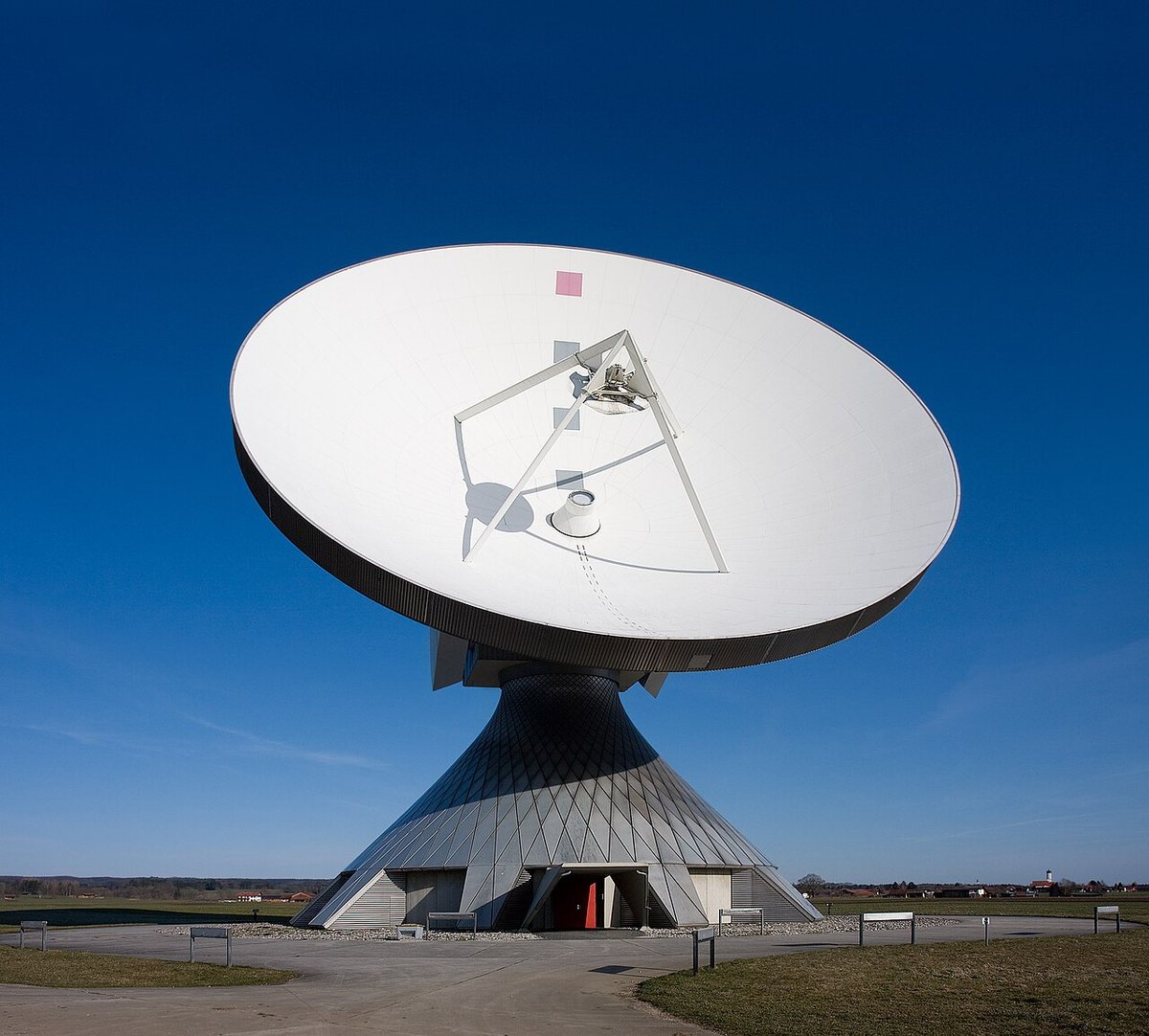

The Federal Communications Commission has opened a formal comment window on how drones fit into its satellite communications rules. The questions sit inside a much larger proceeding, Space Modernization for the 21st Century, a Further Notice of Proposed Rulemaking (FCC 26-47, SB Docket No. 25-306) that the Commission adopted on July 22, 2026. It appeared in the Federal Register on October 26, which starts the clock: comments are due November 25, 2026, and reply comments December 28, 2026.
What the FCC says about drones
Most of the document is about moving the agency's space and earth station licensing into a new rule part, part 100. The drone material is one paragraph, but it is direct. The FCC confirms that a drone can already qualify as an earth station in motion (ESIM) and use eligible satellite spectrum under parts 25 and 100. It then concedes that its earlier decisions never looked at drones as their own kind of ESIM.
That gap produces a list of questions. The agency asks:
- whether drones, which fly low and close to the ground, are better treated as vehicle-mounted earth stations (VMES) than as earth stations aboard aircraft (ESAA);
- whether a drone terminal raises different, or fewer, interference concerns than the ESAA and VMES cases it has already decided;
- whether cheap, widespread drones should be handled more like consumer equipment;
- what licensing, if any, a drone should need beyond what applies to an ordinary user terminal;
- whether, without changing any rules, it should simply publish clearer guidance on drones under part 100.
The stated aim is a competitive market for drone connectivity with several providers and few barriers, giving operators access to every eligible frequency.
Where this fits
This is a separate track from the FCC's terrestrial spectrum work for drones, including the 800 MHz cellular order the Commission has scheduled for a vote on October 29. An FCC rule on radios does not grant any flight permission; beyond-visual-line-of-sight operations still need FAA approval.
Operators, satellite service providers and drone makers who want a say can file in SB Docket No. 25-306 through the FCC's electronic comment system before the November 25 deadline.
Why it matters
Satellite links are one path to beyond-visual-line-of-sight command and data for drones. How the FCC classifies a drone terminal will decide what licence it needs and which frequencies it can use.
Sources and original reporting
Written by the DroneFlow.Ai News Desk from the sources above. Spotted an error? Tell us and we will correct it.
More drone news
FCC counsel says a ban on foreign thermal, LiDAR and spray drones is still under review
An FCC national security lawyer told a podcast the agency is still reading comments and might allow a transition. Its July notice already proposes 180 days.
FCC exempts Switzerland's Voliro T inspection drone from its Covered List
A conditional approval from the Department of War clears the contact-inspection drone. It is the 21st entry on the FCC's drone approvals list, and it depends on a plan to move production onshore.
FCC votes 3-0 to open the 800 MHz cellular band to drones, ending a 1991 airborne ban
Drones can use about 50 MHz of low-band cellular spectrum once the order takes effect. It does not make flying beyond visual line of sight any easier: that still waits on the FAA.
Fly it, then map it
Upload your drone photos and get maps, 3D models and measurements — free trial, no credit card.