Regulation
FCC votes 3-0 to open the 800 MHz cellular band to drones, ending a 1991 airborne ban
Drones can use about 50 MHz of low-band cellular spectrum once the order takes effect. It does not make flying beyond visual line of sight any easier: that still waits on the FAA.
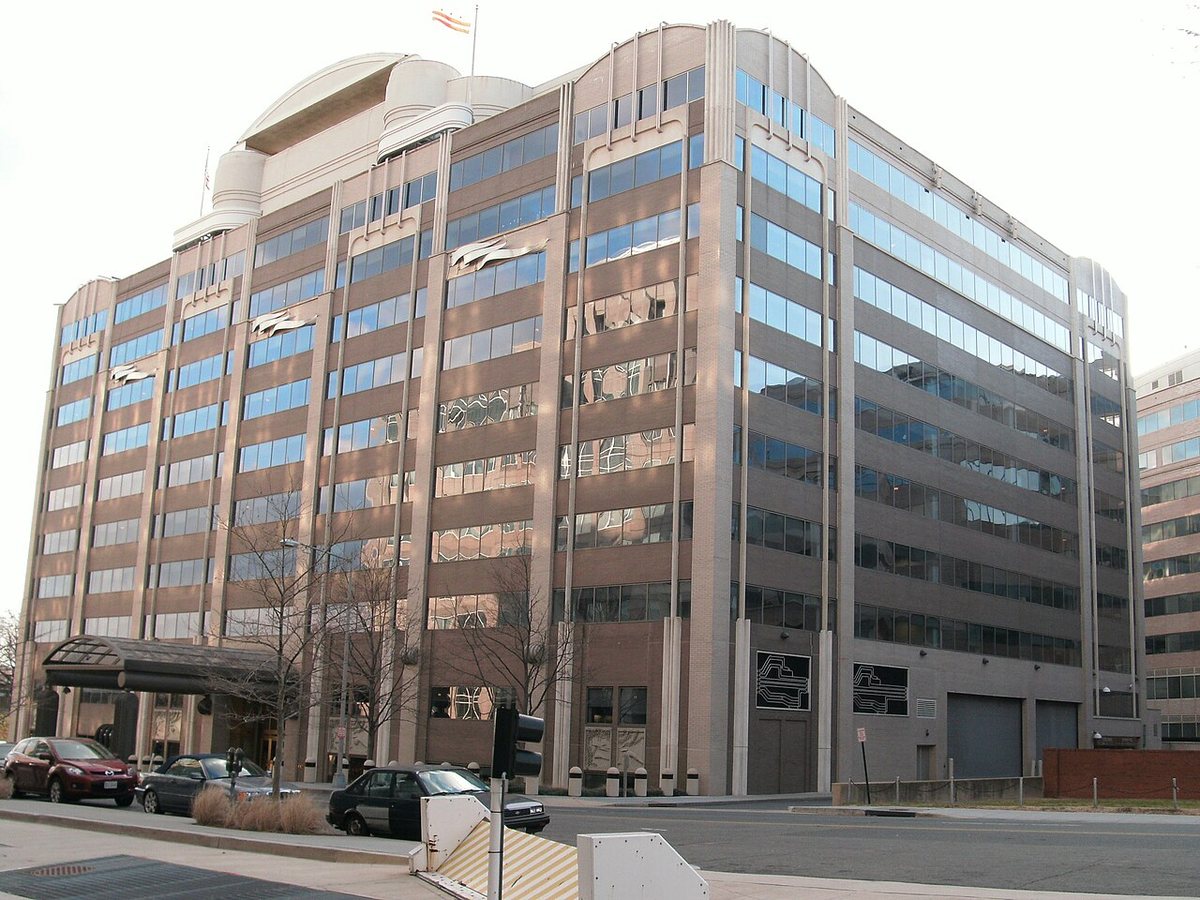

The Federal Communications Commission voted on October 29 to let drones use the 800 MHz cellular band. The agency's release says the order, FCC 26-72, opens 50 megahertz of licensed, nationwide, low-band spectrum for drone command, control, communication and payload links. Chairman Carr and Commissioners Gomez and Trusty all approved it.
What the old rule did
The FCC licensed 800 MHz cellular service in 1981, then barred airborne use in 1991 because phones on planes could disrupt networks on the ground. That ban went on covering drones decades later. The commission now reasons that modern networks have the tools to stop a drone from interfering with them, so the restriction is no longer needed for unmanned aircraft. Its release describes the aim as parity with other flexible-use bands.
According to DroneXL's reading of the adopted text, the change covers 824 to 849 MHz and 869 to 894 MHz. DroneXL says the rule starts 30 days after it appears in the Federal Register, and that it had not been printed there as of November 1.
A late footnote about SpaceX
The FCC released the final order on October 30. DroneXL compared it with the public draft and found one substantive addition: a footnote on SpaceX's application to acquire the licenses in the neighboring 817 to 824 and 862 to 869 MHz spectrum. The footnote says the FCC expects drones and any phone or satellite service there to coexist. DroneXL also reports that Zipline's request for reduced-power drone operations was still declined.
What it does not change
The order is about radio spectrum, not flight rules. DroneXL notes that drones already fly on carrier networks in other bands, and that the FAA's Part 108 rule for flight beyond visual line of sight is due by December 7 under the 2024 reauthorization law. Until that rule is final, an operator flying BVLOS still needs a waiver or an exemption, whichever band the link uses.
More drone spectrum items are coming. The commission votes again on November 19, on 450 MHz control links and 24 GHz drone-detection radar.
Why it matters
More carrier spectrum helps operators who fly on cellular links, but what a pilot may legally do has not changed. Routine BVLOS still depends on Part 108, which is due December 7 and has not been published.
Sources and original reporting
Written by the DroneFlow.Ai News Desk from the sources above. Spotted an error? Tell us and we will correct it.
More drone news
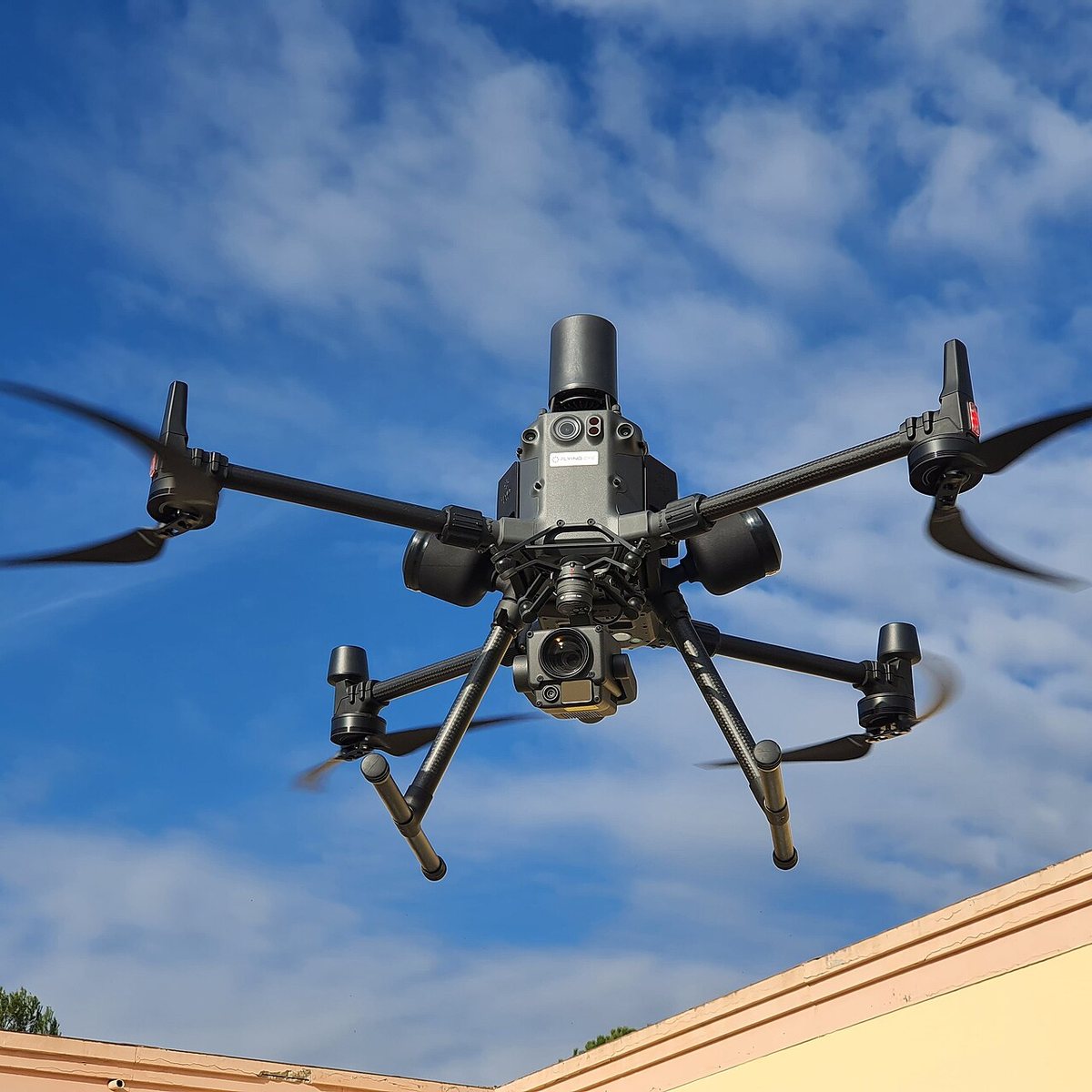
FCC counsel says a ban on foreign thermal, LiDAR and spray drones is still under review
An FCC national security lawyer told a podcast the agency is still reading comments and might allow a transition. Its July notice already proposes 180 days.

FCC exempts Switzerland's Voliro T inspection drone from its Covered List
A conditional approval from the Department of War clears the contact-inspection drone. It is the 21st entry on the FCC's drone approvals list, and it depends on a plan to move production onshore.
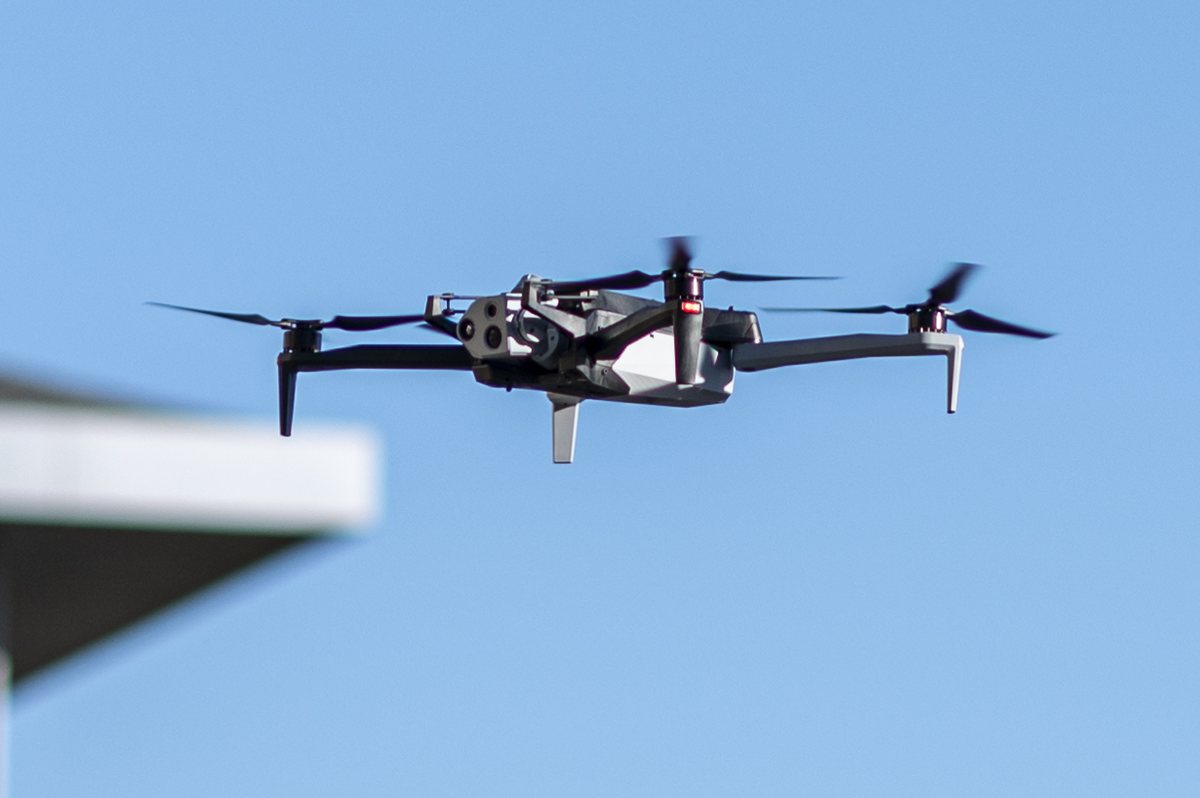
FCC sets a November 19 vote on 450 MHz drone control links and 24 GHz drone-detection radar
Two orders would allow data links for drones at 450 MHz under one nationwide license, permanent rules for ground radar that tracks drones, and more satellite connectivity at 28 GHz.
Fly it, then map it
Upload your drone photos and get maps, 3D models and measurements — free trial, no credit card.